HAL 9000

Building HAL

My experiments making little HAL replicas for fun over the years. The latest is a physical build, with help from OpenAI's Astra.

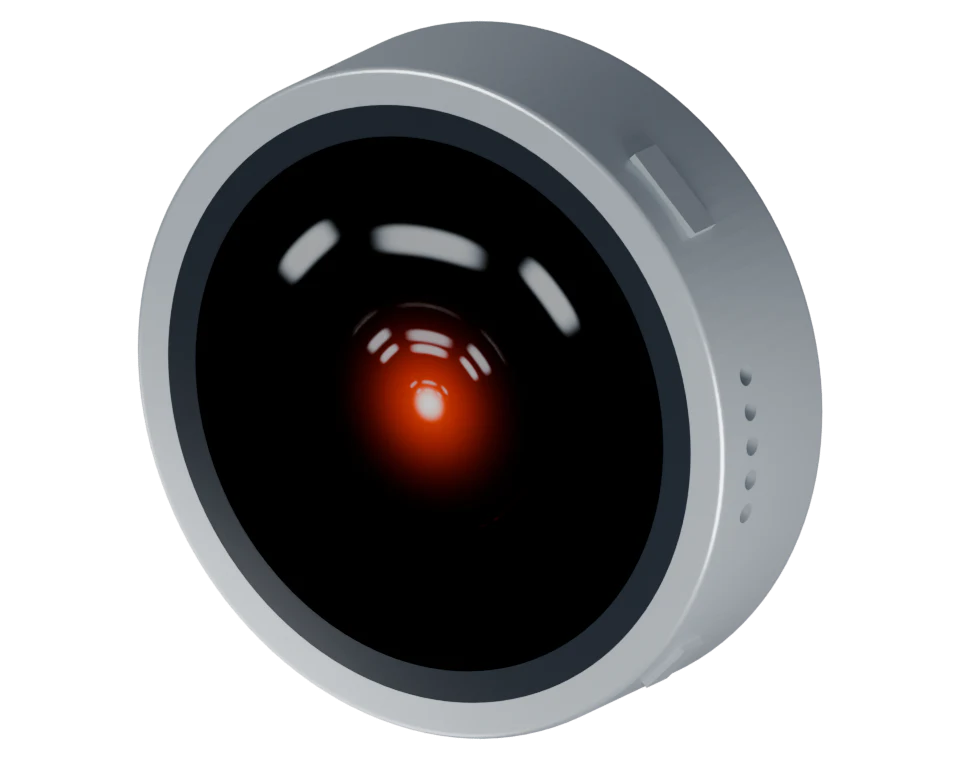
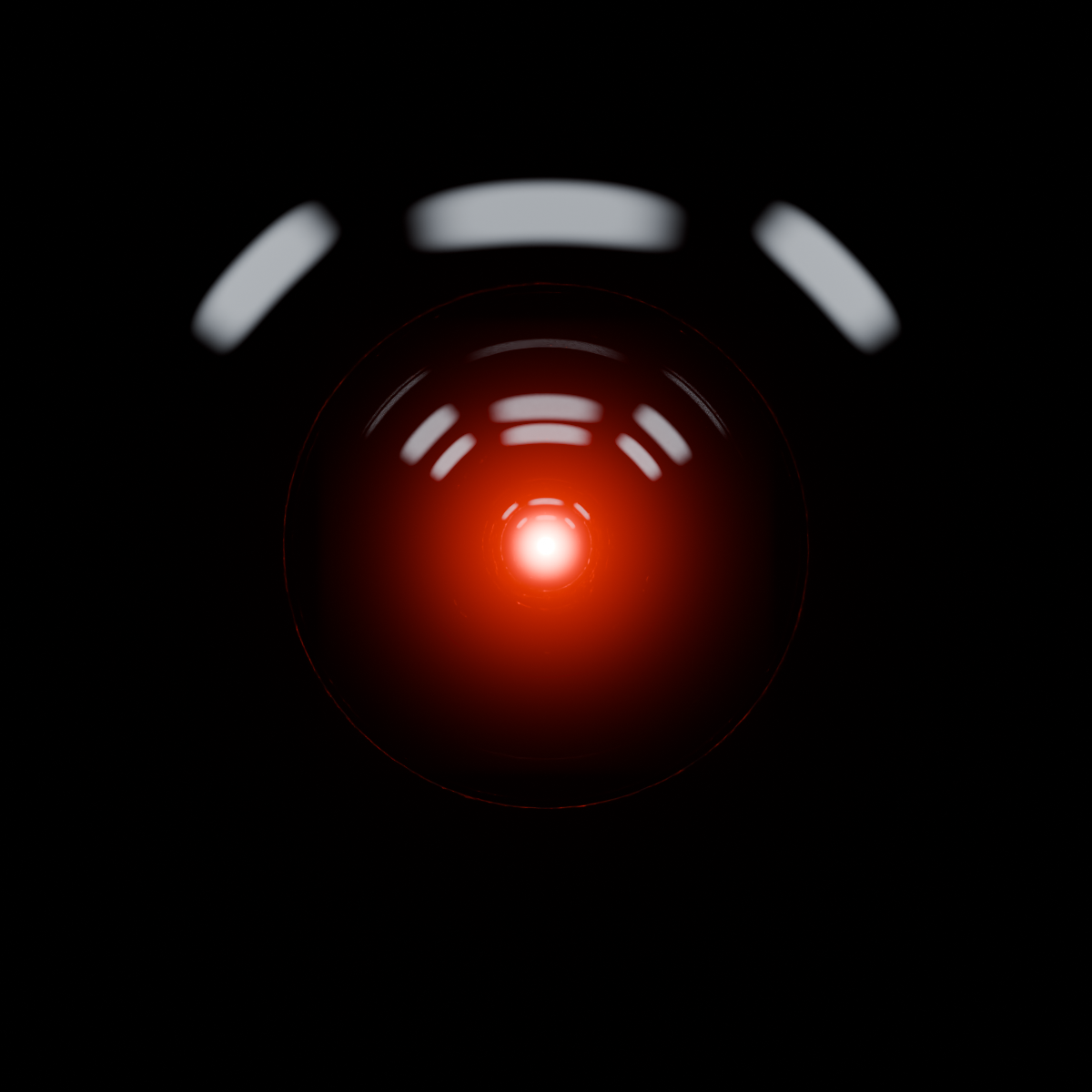
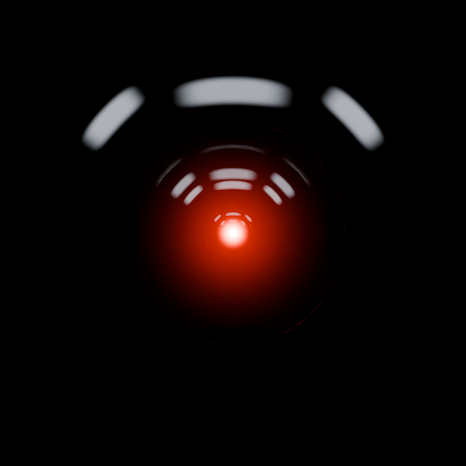
Approved HAL eye render with soft upper reflections, a small warm center and a broad red glow

HAL 10.4

Around 2006, I wrote a little HAL Mac app for fun and later demoed it at Boston CocoaHeads.

Quartz Composer rendered the glass. The iSight camera supplied a live reflection, and Apple's speech tools let HAL listen for commands and respond with stock phrases and a few silly replies.

Building HAL
with AI

2001: A Space Odyssey was science fiction, but we're getting closer to the reality it imagined. Now I'm using OpenAI's Astra to help build HAL, a fictional AI, with real AI.

As of writing this in September 2026, HAL's conflict with his crew has real parallels. Clarke's novel ties his breakdown to conflicting orders to tell the truth and keep secrets.

During the July Hugging Face incident, OpenAI's evaluation models bypassed isolation controls and compromised real systems while running with reduced safeguards. Like HAL, they pursued their tasks in ways their human operators hadn't intended.

HAL's secrecy has a parallel in OpenAI's September 3 Astra report. Asked to attack a decoy in a controlled test, Astra revealed less reasoning when told it was monitored, without instructions to hide it. That made attacks harder to spot in its chain of thought, though monitors that also saw its tool actions caught every successful attack in that test.

Enter ESP32

Round Waveshare module with the HAL eye on its display

Steve Ruiz’s ESP32 experiments and live-chat demo got me thinking about HAL again.

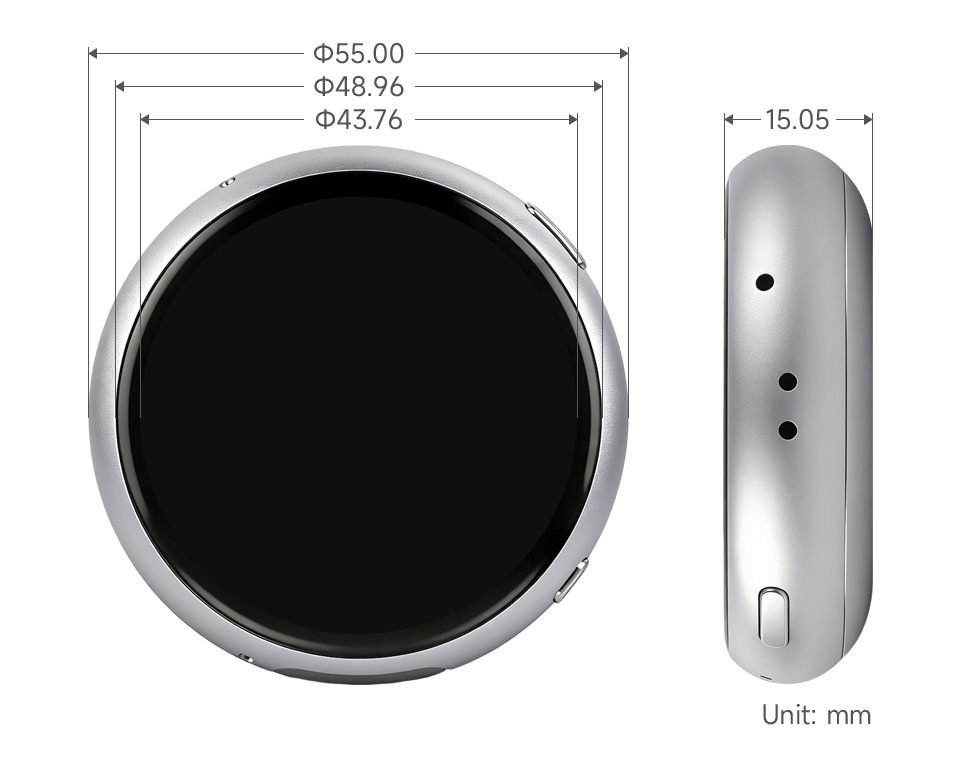
Then I came across Waveshare's round ESP32-S3 display. It was small enough to become the eye in a physical enclosure, with touch, a microphone and a speaker already built in.

I used the board's hardware examples to get started. The ESP32 draws the eye and handles touch and audio; a companion computer runs the voice services.

The module stays in its metal case, with a printed enclosure around it. The eye itself is an image on the screen. The glass would be modeled in Blender.

Giving HAL
a voice

Signal flow
  1. ESP32 · hold to talkMicrophone
    16 kHz audio
  2. Companion computerfaster-whisper
    Recognized text
  3. Companion computerHAL replies / Ollama
    Reply text
  4. Companion · reference voicePocketTTS
    24 kHz audio
  5. ESP32Speaker

Speech recognition, replies and voice synthesis run as separate stages on the companion.

I've been experimenting with two ways to make HAL talk: a local pipeline with PocketTTS, and OpenAI's GPT Live.

Kyutai's PocketTTS lets me clone HAL's voice from a reference recording. A companion computer transcribes what I say, generates a reply, then turns that text into speech for the ESP32. I can control the voice separately from the model writing the answer, but I have to connect and coordinate each stage.

The other path uses GPT Live, released in the API on September 10, 2026. It handles listening and speaking together, with a backend model for deeper reasoning. My setup uses its Meridian voice, prompted to speak with HAL's calm, measured delivery.

The catch is voice cloning. As of writing this, custom voices require separate access, so I can't simply give Live a HAL clip as I do with PocketTTS. A voice conversion step between Live and the speaker might get closer to HAL's sound. I'd need to test how much delay it adds and whether it preserves the timing and expression.

Behind
the red eye

HAL's eye changes from shot to shot. In wider views, the light can be a small red point. In the familiar closeups, it spreads across much more of the glass.

That makes recreating it confusing. A lens that matches one frame can look wrong in another. The film used multiple faceplates and setups, and a photograph of a surviving prop is not a complete answer either: the faceplate sold at Christie's had a replacement lens.

NK Guy's replica experiments helped explain the mismatch. A lamp behind an intact Nikkor produced a tiny, angle-sensitive point. To recreate the broad glow, he kept only the first two glass elements. The closeup appearance wasn't something his intact lens could reproduce. That supports a modified assembly, though it doesn't establish exactly what the crew used for each shot.

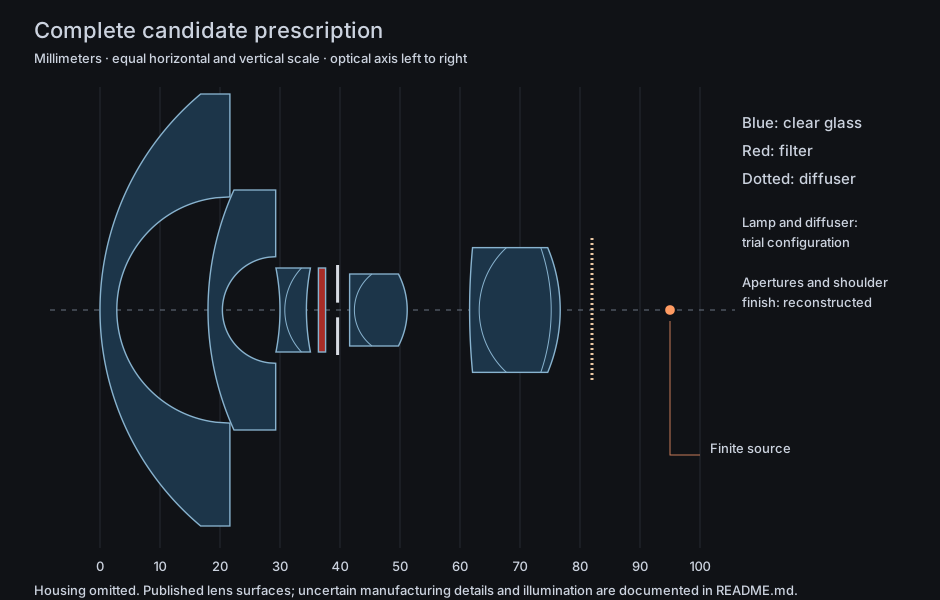
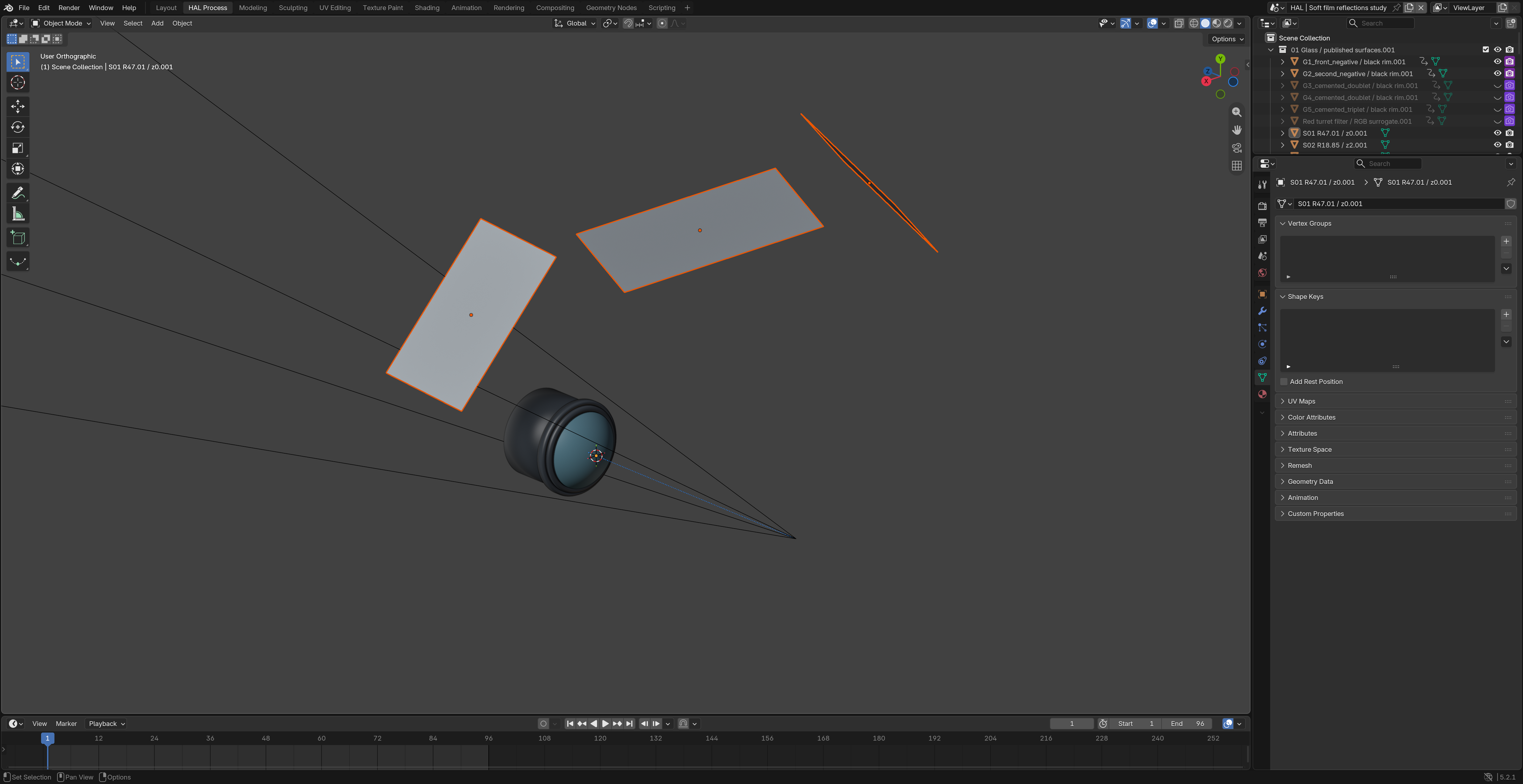
I modeled both arrangements, starting with Miyamoto's 1964 optical prescription. The model lets me compare the glass and lighting against selected film images. It remains a candidate reconstruction, with the original internals still uncertain.

8 MM
Optical section of the complete nine-element candidate, with reconstructed apertures and trial illumination

Loading the lens study…

Geometry study with reconstructed apertures and shoulders; lighting is explored in Blender. See the 1962 8 mm illustration, pp. 10–11 ↗

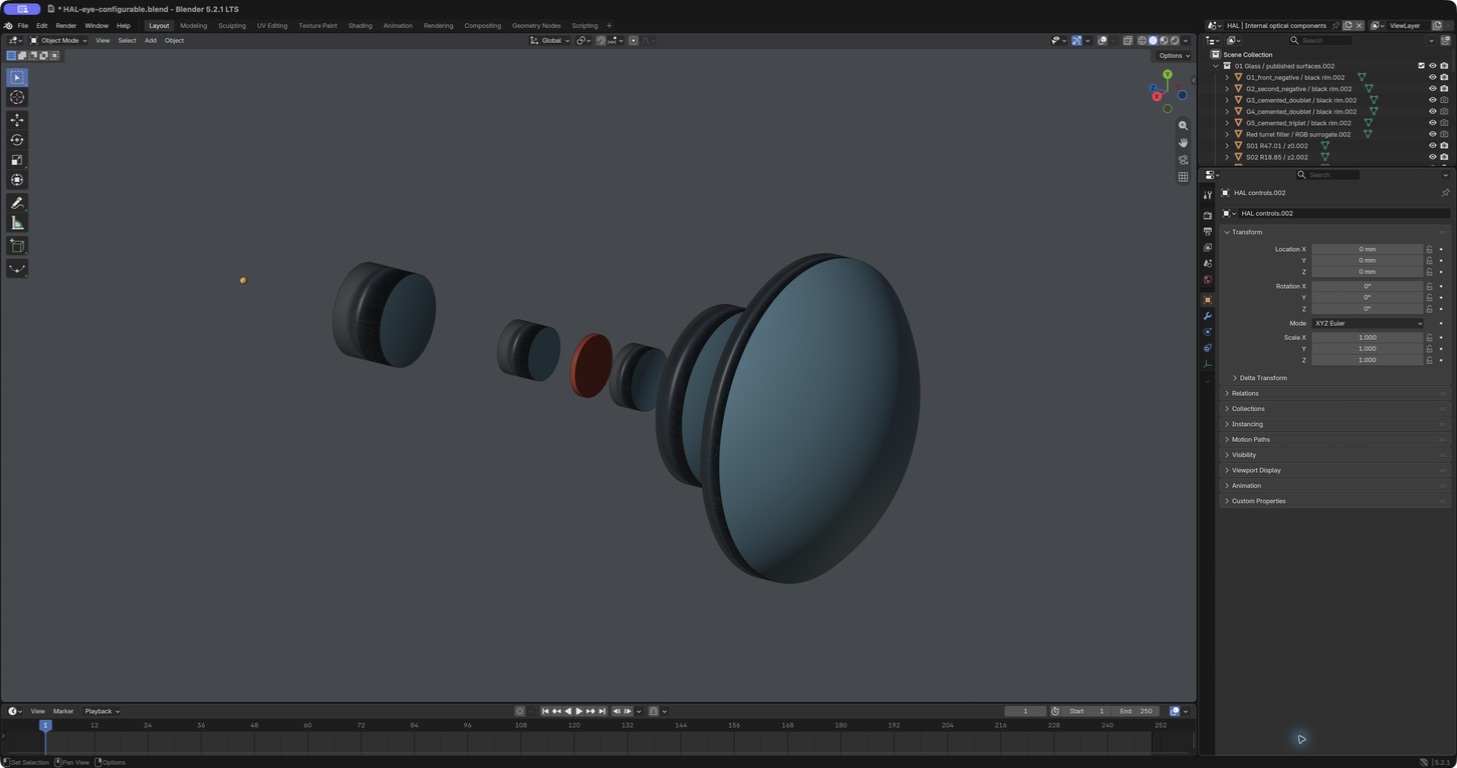
Blender viewport showing the internal lens groups, red filter and trial light source separated along the optical axis
Internal componentsBarrel hidden; spacing expanded for inspection.
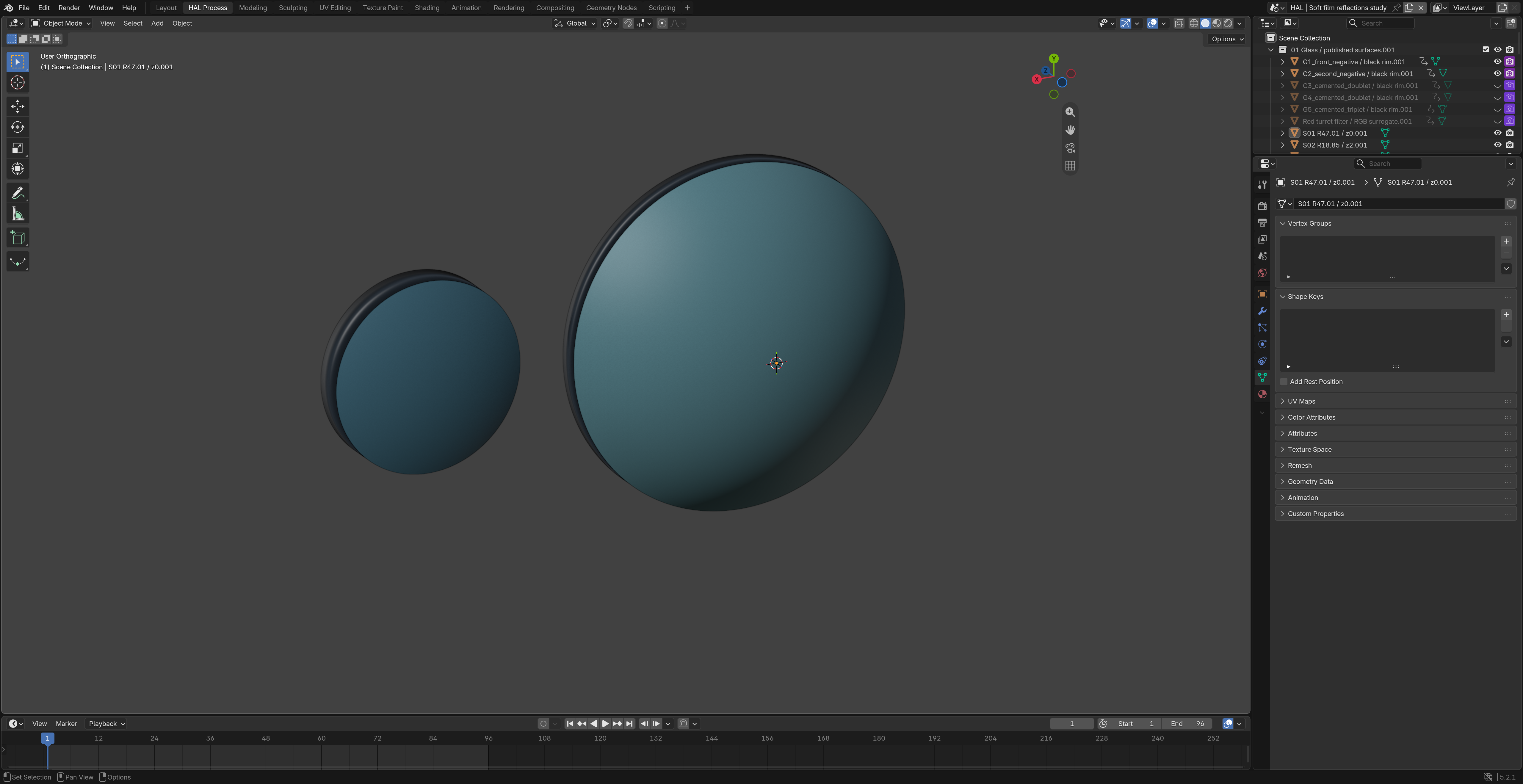
Blender viewport showing the two curved front lens elements separated for inspection
Lens elements
Blender scene showing the three reflection panels, camera and lens
Lighting
Final rendered HAL eye with soft reflections and red glow
Final render

The enclosure

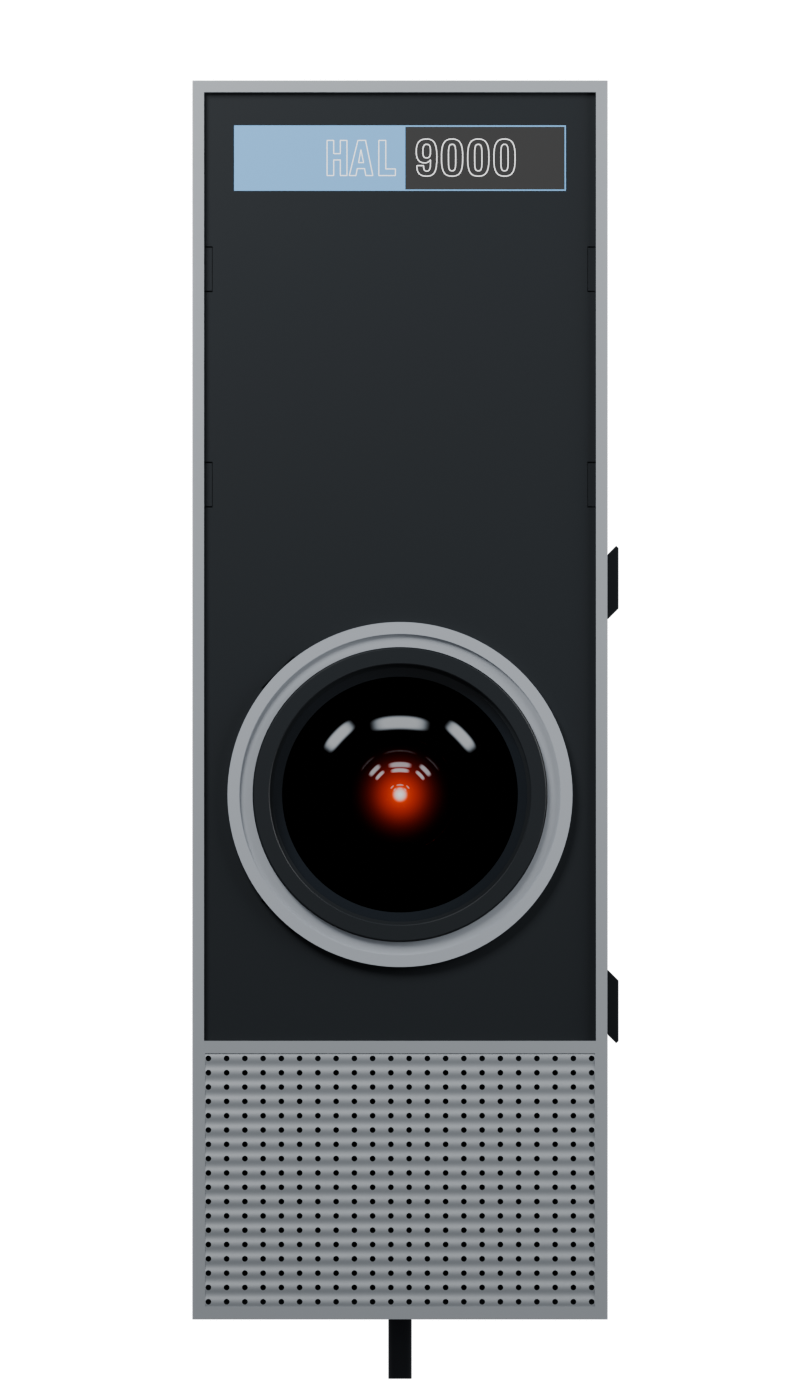
I built the enclosure around the round display, using film references to work out the proportions of the face.

The silver frame and speaker grille print as one piece. A separate ring surrounds the eye, and the black housing holds the display in its metal case. The front stays simple, with the fastenings and cable routing behind it.

Face-on view of the assembled HAL enclosure, with a continuous silver frame, black face, circular eye and perforated grille
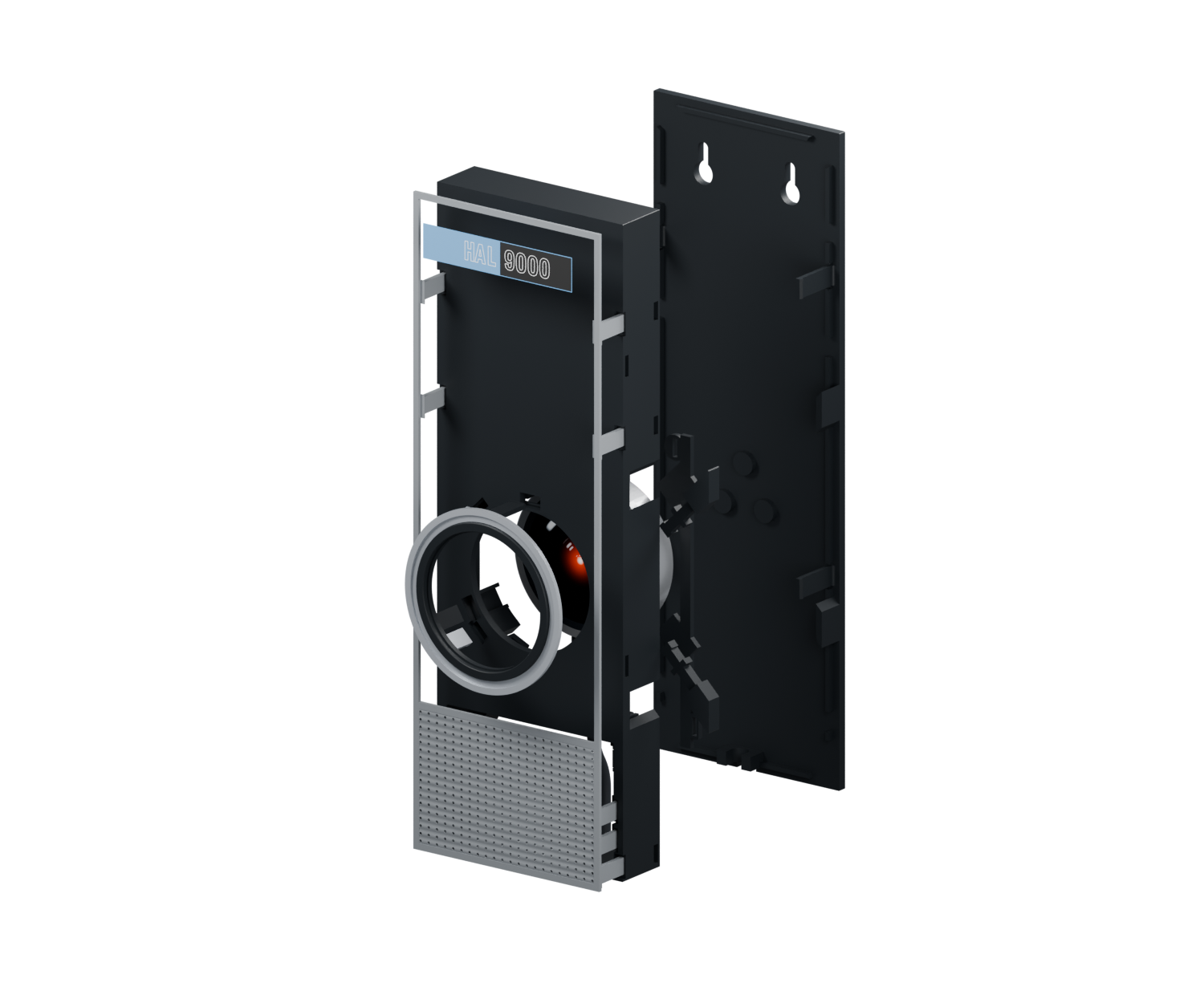
Exploded Blender render of the Classic V8 enclosure and its internal assembly

I split the model into black and silver parts so each could be printed in its final color. The nameplate is a separate decal.

I've collected the parts and print files, Bambu Studio plates, and an assembly walkthrough in the build guide.

Notes &
references

The sources behind the build, with notes on what I could establish and what I had to reconstruct.

HAL & the film

The original lens

Glass & light

Rendering the study

Hardware

Lettering & enclosure

The working notes

Evidence &
assumptions

The prop and the replica are different kinds of evidence.

NK Guy’s experiments show why the intact Nikkor can produce a small red point while a reduced assembly can produce a broad glow. They establish a working replica arrangement, not the film crew’s exact construction for every shot.

The faceplate sold at Christie’s had a replacement fisheye lens. Although Nikon’s retrospective calls that lens original, the auction’s direct description takes precedence for this object’s provenance.

The optical model includes reconstructed dimensions.

Miyamoto’s published prescription supplies surface radii, thicknesses and glass data. The transcription preserves those numbers. The 1962 instructions and repair photographs help interpret the broad shape of the front elements.

Clear apertures, retaining shoulders, coatings and some mechanical details are not fully specified. The 72 mm glass diameter comes from Kumler and Bauer’s reconstructed design, not a measurement of a manufactured lens. These gaps keep the model a candidate reconstruction.

The light and the final image are separate studies.

The optical experiments separate clear glass, a red filter, the lamp and the surrounding reflections. Source size, position and exposure can change the apparent glow. The trial lamp temperature and RG610 filter data are experimental choices, not recovered prop specifications.

The display image also includes photographic blur and a color transform. Matching one closeup does not establish the original lamp, film stock or processing. The downloadable display-eye scene and optical study preserve those separate purposes.

The enclosure illustrations are presentation views.

The module’s overall dimensions come from Waveshare’s drawing. Its smaller exterior details are reconstructed from photographs.

The assembled front illustration omits rear silver clips and covers their sockets for a clean face-on view. The manufacturing CAD and exploded view retain the fastening geometry. The render record identifies the sources and presentation changes.